

Who Is Ruslan KD? The Refugee, the Rapper, the Redemption Story
Can ambition honor God? Creator and author Ruslan KD thinks so — and he’s got the theology to prove it. With humor, grit, and real talk on culture, calling, and character, Ruslan redefines success as stewardship. Hear how godly ambition builds families, communities, and influence without losing your soul. Smart, practical, and a little convicting — this is purpose with backbone.


Show Notes
- Get the book: "Godly Ambition: Unlocking the Full Potential of Your Time, Talent, and Treasure"
- Connect more with Ruslan on YouTube
- Find resources from this podcast at shop.familylife.com.
- See resources from our past podcasts.
- Find more content and resources on the FamilyLife's app!
- Help others find FamilyLife. Leave a review on Apple Podcast or Spotify.
- Check out all the FamilyLife's podcasts on the FamilyLife Podcast Network
Dear Listener,
As this year draws to a close, we’re thanking God for the many stories of families who found comfort, clarity, or renewed hope through the conversations you hear on FamilyLife. If these messages have encouraged your heart or helped your home hold more tightly to Jesus, we’re honored to have been part of your journey.
Looking ahead, many families are searching for the same reminders of God’s presence, whether in their marriages, parenting, or everyday walk of faith.
And right now, there is a generous $2 million matching gift, which means your year-end giving will be doubled, bringing gospel hope to twice as many families.
Would you prayerfully consider partnering with us to bless and uplift families as we enter a new year?
About the Guest
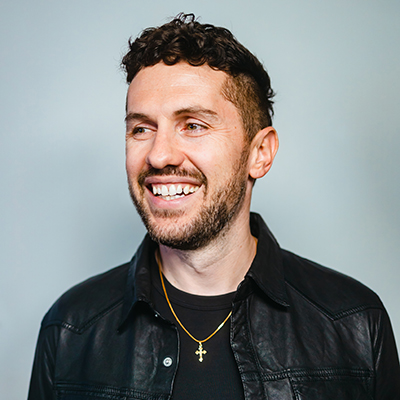
Ruslan KD
Ruslan KD is a Christian YouTuber, podcaster, and entrepreneur known for his thought-provoking commentary on faith, culture, and personal development. Originally an Armenian refugee from Baku, Azerbaijan, he immigrated to the U.S. as a child. A former independent artist, Ruslan transitioned to digital media, where he creates content that bridges biblical wisdom with real-world issues. Through his YouTube channels, Ruslan KD and Bless God Studios, he explores topics such as apologetics, cultural trends, and practical stewardship, inspiring audiences to live with purpose and intentionality. In addition to his online presence, he is a sought-after speaker and lives in California with his wife and children.
Episode Transcript
FamilyLife Today® with Dave and Ann Wilson; Podcast Transcript
This content has been generated by an artificial intelligence language model. While we strive for accuracy and quality, please note that the information provided will most likely not be entirely error-free or up-to-date. We recommend independently verifying the content with the originally-released audio. This transcript is provided for your personal use and general information purposes only. References to conferences, resources, or other special promotions may be obsolete. We do not assume any responsibility or liability for the use or interpretation of this content.
Who is Ruslan KD? The Refugee, the Rapper, the Redemption Story
Guest:Ruslan KD
Release Date:December 2, 2025
Ruslan (00:00:00):
I was like, “Okay, first of all, there is no God.” I mean, I’m smoking, I’m drinking, in fifth grade, I’m arrested. The folks living next to me, Charles and Willie are like, “Oh, you can come do community service at our church.” So I end up hanging out with them and they’re sharing the gospel. Charles was telling me, “Hey man, you’re going to do great things for the Lord someday.” Then God ends up just continuing to just send people after me.
Ann (00:00:19):
He’s wooing you.
Ruslan (00:00:20):
Yeah. Yeah.
Dave (00:00:25):
It’s an honor to have you here in Orlando and on our show.
Ruslan (00:00:28):
I’m honored.
Dave (00:00:30):
I think a lot of people might know you but tell our listeners what you do and watchers.
Ruslan (00:00:35):
I do YouTube. I make YouTube videos. I have a podcast. I did music professionally from 2015 to 2020, and then during the pandemic pivoted to YouTube. And that’s kind of the main thing that I do now is a combination of podcasting and cultural commentary with different guests that I have on, a live stream that we do a couple of times a week and that’s been the bread and butter. So we’re engaging with whatever’s happening in the news, whatever’s happening in culture, and just trying to reorient it in a way that anchors it in a biblical worldview.
Dave (00:01:06):
Yeah, I mean, I’ve watched—
Ann (00:01:08):
That’s the part I love because everybody’s talking about it, but to see it in the view of a biblical view, that changes things and it’s good to have that perspective and really needed, don’t you think?
Dave (00:01:19):
Oh, yeah. And that’s how, I’m sure I’m like, millions of others found you that way. You see a clip come up, you’re just talking about Michael Jackson, and I’m like, I saw the clip, and again, I know it’s not clickbait, but I read the title. I’m like, “Michael Jackson came to Christ. You’re kidding me.” I’m a Jackson guy.
Ruslan (00:01:38):
Yeah, me too.
Dave (00:01:39):
I was in seminary when Thriller came out and we weren’t allowed to tell anybody we were listening to it.
Ruslan:
Wow.
Dave:
It was awesome. We were in California at the time, and it was just one of the—
Ann (00:01:48):
I was teaching aerobics at one of these big clubs—aerobics was big; that’s when it really boomed—every single song was from that album.
Ruslan:
That was a great album.
Ann:
So good.
Dave (00:01:59):
The guy was so talented. But as we read through Godly Ambition, which is coming out right as the time this podcast is released, here’s my first thought on that. As I read through your book, as your stories weaved through the whole thing, talk about how much of your drivenness and your desire to be ambitious and accomplish and be successful is connected to the losses you had as a kid.
Ruslan (00:02:23):
Oh, that’s such a great question. I think that obviously our experiences shape us and being an immigrant, and not just immigrant, but a refugee, the perspective that I think I’ve shared from coming from the former Soviet Union, coming in a totally different upbringing with regards to both God, faith and opportunity to sustaining yourself, I think that absolutely impacts how I see the world. And then I think having grown up without my dad in my life and my mom struggling with alcohol and all those sorts of things, I think absolutely creates a drive and a hunger. And again, just perspective. I think people grow up here and forget how good we really have it.
(00:03:09):
And when you’re able to have context and you’re able to see other parts of the world, and you’re able to experience what it’s like living somewhere else, you’re able to go, “Wait a minute. Not only do I have opportunity to provide for my family and take care of myself, but I also have opportunity to be a blessing to others. I have an opportunity to be generous, to contribute something big.” So I would say a big chunk of it—I mean, even living in San Diego, our cost of living is high so you can’t be average and just coast. You got to have a little grit to you if you’re hoping to, again, 1 Timothy 5, provide for the needs of your family, specifically your immediate family. It says those who don’t are worse than non-believers and have denied the faith, which is really harsh passage from the Apostle Paul.
Ann (00:03:55):
Well, I think you have to go back because listeners are like, “Wait, what? You’re a refugee?” What you just said in a few sentences, that’s pretty big stuff. So take us back to your childhood. How did all that happen?
Ruslan (00:04:09):
Yeah, so I’m ethnically Armenian. Armenians are—we have a country there. We’re the oldest Christian nation in the world, founded around the year 300. There’s a quarter of the old city, Jerusalem, is a quarter of it is Armenian.
Ann (00:04:25):
I’ve been there.
Ruslan (00:04:26):
And so Armenians have always historically been culturally Christian. We didn’t have a written language until we created one to translate the Bible. We wanted to translate the Bible into Armenian. So ethnically, I’m Armenian. My mother was adopted by an Armenian family. She’s Russian or Ukrainian, we’re not sure. And my dad’s Armenian as well. And so in that part of the world, you have Turkey, which had the atrocious genocide against Armenian in 1915. And you have Armenia flat in the middle. And then you have Azerbaijan, which geographically used to be Armenia. But now you have this mix-up of Azeris and Armenians living together in the city of Baku, which is right off the Caspian Sea, beautiful city. It’s like a massive vacation destination now in the Middle East. And so long story short, when the Soviet Union helped establish that, whenever superpower is involved, the theory goes, they’ll intentionally create borders and boundaries around areas to almost create instability.
(00:05:28):
Because if these people are fighting and arguing, they have to be dependent on the superpower to care for them, to make sure that they squabble and they squash the issues. So they created these weird zones where you have Armenia, but then in the middle of Azerbaijan you have this autonomous Armenian zone called Nagorno-Karabakh region, right? That’s what the Azeris called it. And long story short, Armenians are historically there. It’s in Azerbaijan, and there’s always been conflict between Turks and Armenians and Azeris. And what happened was there was allegedly a bunch of Azeris that got displaced from parts that were predominantly Armenian. And then that led to the pilgrims of Baku, where hundreds of thousands of Armenians were ethnically cleansed from the capital of our Azerbaijan Baku, and tons of people killed and beaten. And so because we appear Russian, we appear more fair skinned, me and my mom were the last ones to stay. My dad, everyone got out in the eighties. We stayed to settle all the affairs and then applied for refugee status. My dad took care of that. And so we applied for Australia, Israel, and America. America was the last place we applied, first place that took us in as refugees, and then we came to the United States.
Ann (00:06:37):
So how old were you?
Ruslan (00:06:38):
I was six.
Ann (00:06:39):
You were six, any siblings?
Ruslan (00:06:40):
I have enough to remember.
Dave (00:06:41):
Yeah, you do remember it?
Ruslan (00:06:42):
Yeah, not with my mom and dad. My dad remarried after coming to America, and I have a half-brother and two half-sisters that I didn’t really grow up with, but we’re much closer now as adults. So yeah. So I came here three months before the fall of communism. So communism fell in 91, and I came right in 91.
Ann (00:07:00):
And what had gone on, you said your dad was gone, so were they divorced at that time?
Ruslan (00:07:05):
Yeah. So because the tensions were swelling, my dad went to work in Moscow, which is far from Baku, and most Armenians were kind of getting the hints, and they were already starting to leave before it really hit the fan. So he had to travel back and forth for work in the eighties and the late eighties. And so that created a bunch of tension on the marriage. They both had other relationships in adultery and all sorts of stuff. And so by the time they came to America, they were like, “Hey, this is going to be a fresh start.” And then my mom—I found these little letters with lipstick, kissy marks on them, and I thought they were for my dad. I thought my mom was writing my dad love notes. I’m six. So I bring them to my dad.
Dave (00:07:45):
You found them when you were six.
Ruslan (00:07:46):
Yeah, I found them when I was six. So I bring them to my dad. It’s like, oh, look what mom did for you. And he opens them,
Ann (00:07:51):
Come on.
Dave:
And he had never seen them.
Ruslan (00:07:52):
He’d never seen them. And there’s a letter written to her boyfriend back in Baku, and that was the straw that broke the camel’s back. And so then he left after that.
Dave:
Wow.
Ann (00:08:03):
I mean, even that for kid, did you feel guilty? Did you know what happened after he opened it?
Ruslan (00:08:09):
Because I confronted my dad as an adult and we’re in a great place now.
Ann (00:08:13):
Yeah.
Ruslan (00:08:13):
I was like, “Why did you leave? What happened? You kind of just bounced and I’d see you on my birthdays.” And so he was like, “Do you remember that?” And he said it. And the memories came back. And I was like, “Oh.” And so I think I carried a degree of guilt and shame because I felt like I’d destroyed their marriage. And so he shared that with me. And then he kind of explained like, “Hey, your mom had some other boyfriends that were pretty wild.” My dad tries to never speak ill of my mom, but he’s like, that’s, and I remember she would just date these guys that weren’t the best. And from her perspective, she’s a single mom. She’s in another country, she’s depressed, her parents aren’t with her, and she just starts to spiral. And so when he would come over, it would become more and more hard for him to see me. And there was one time when there was a fist fight between a gentleman that my mom was dating, my mom kind of jumped my dad and pulled off her heel and cut his face. The cops got called.
Ann (00:09:06):
Wow.
Ruslan:
And so she just made it harder and harder for him to see me. And so he had started as another family. His girlfriend from Moscow came out, got remarried, they had twins. So he goes from, he’s in a new country still trying to establish himself. So he just kind of felt pushed out. And that then led me to kind of grow up without a father figure in San Diego, which Normal Heights, City Heights area of San Diego in the nineties, early nineties is very different. This is the peak of gang culture, gangster rap music. It was a very different time. And that sent me down a pretty rough path as a kid.
Ann (00:09:44):
As we share stories of God’s faithfulness, remember that your generosity helps make this possible. And when you give to FamilyLife, your partnership helps more homes experience hope and joy in Jesus. So visit FamilyLifeToday.com or call 800-FL-TODAY to join us and make an impact.
Dave:
We really want you to give.
Ann:
Let’s get back to the conversation.
Dave (00:10:09):
We really need you to give.
Ann (00:10:15):
How did all of that shape you? That’s pretty traumatic—all those things that happened.
Ruslan (00:10:21):
Yeah. I ended up rebelling. I didn’t know I was rebelling, but I ended up—two things. I got really sucked into the music of the gangster rap, hip hop type stuff. And I think hip hop as a genre is great, the music itself, but the content, especially as a young kid. So I ended up going to a—I couldn’t have been no older than nine, eight or nine, to a Dr. Dre and Snoop Dogg concert at the San Diego Sports Arena. And I’m one of the only white kids there. I’m only one of white kids there, but I’m only one of the kids in the arena.
Ann (00:10:57):
And that’s young.
Ruslan (00:10:58):
And so I remember seeing Dre and Snoop, and this is at the peak of that era, and that had a huge impact on me, like Snoop Dogg’s Doggystyle album, Dr. Dres The Chronic, Tupac, all this stuff had a real impact. I was just also in an environment where I could get into a lot of trouble and so we became the kids that were breaking into houses and just doing terrible things. And it all culminated to me getting arrested in fifth grade, going into sixth grade I got arrested for in the middle of attempting to break into a home, to just a knucklehead. And my mom kind of started seeing where I was going. And thankfully through that process, she was able to relocate us to Vista, which is a bit more suburban, a bit more removed. And that is when kind of the shift happened. I got more into sports and became a better student and all that sort of stuff.
Ann (00:11:48):
And where was faith in the midst of that? You said it was cultural, Christianity was like a cultural thing, and so did it permeate any place in your home growing up?
Ruslan (00:11:58):
Not in our home, because, man, the Soviet Union did a really good job of removing God from everything.
(00:12:08):
And so we didn’t have a Bible in our home. We didn’t talk about God. We would say we’re Christians. If somebody would ask, we’d say we’re Christians. And then when we came here, that was the first time I ever remember going to church was in the Armenian Apostolic Church. And so the Armenian Apostolic Church is a part of the Oriental Orthodox arm of the church, so Ethiopian Orthodox, Armenian Orthodox, they’re sister churches. And that is, I grew up going there, and I was christened as an altar boy, so I helped with that sort of stuff. And so I remember there was a couple of times where they would talk about Jesus, and you see Jesus on the cross and the iconography and all that sort of stuff. So talked about it, but there was no real, not a great explanation of the gospel for me. And that also culminated that they remarried my dad. And technically, according to my mom, they were never technically divorced. So she didn’t like that. And so she stops going to church, which also harmed her because that was our only cultural connection. People go to and they still drink and still smoke and still just be suffering refugees but at least that kept us anchored. So when that happened, she stopped going to church, and then they were just a sequence of events that happened that then pushed me further and further away from church as well.
Dave (00:13:30):
So did you spiral out even now as an older teenager?
Ruslan (00:13:35):
No.
Dave (00:13:35):
Fifth grade you’re arrested.
Ruslan (00:13:36):
Yeah. So no, oddly no. So what happened was fifth grade, I’m arrested, and at that point, I mean, I’m smoking, I’m drinking. I, I’m gone.
Ann:
Fifth grade?
Ruslan:
Fifth grade, yeah, which it’s really trippy because my son’s going into fifth grade this year.
Ann (00:13:51):
What’s that feel like?
Ruslan (00:13:52):
Oh my God. I mean, he just has such a different life than I did. The music he listens to, the friends he has, the environment he’s in, the attention to detail that we have as parents, such a different experience.
Ann (00:14:05):
And don’t you think too because I’ve got sexual abuse. At the time I thought, “Well, this has happened. This is hard.” But then when I had one of my kids be that age, I’m like, “Wait a minute. I was a kid. I was a little kid.” Did you have that feeling?
Ruslan (00:14:20):
Yeah. Yeah. There was older teenage altar boys. I was like seven or eight. I experienced sexual abuse from the older kids.
(00:14:29):
That is one of the reasons why I stopped going to church in the Armenian church. And so absolutely when I’m watching him grow up and I’m like, man, the stuff I experienced. And so it’s almost, I don’t want to say re-traumatizing, but it definitely adds perspective of like, wow, I had it pretty rough and seeing that in my son. So what happened was though, I guess this is grace of God, it’s the mercy of God for sure, is by the time I move and I’m going into eighth grade, seventh grade, I’m on probation. I’m having to do community service. I’m going to community service with this. The entire complex becomes Christian. It’s really weird. And so our lady that—she wasn’t—I guess she was the landlord. She’s like the manager, complex manager. Her name’s Sheree, and she still watches my channel and we’re in touch till this day. But Sheree ends up getting caught trying to move cocaine through an airport in the nineties. So she ends up going to jail and gets radically saved, radically on fire for Jesus. So she comes out and she is telling everybody about Jesus, and I’m like, “I don’t want to hear it.”
Dave (00:15:40):
How old are you?
Ruslan (00:15:41):
I’m like, this is around the—
Dave:
Seventh grade.
Ruslan:
—fifth grade, sixth grade.
Dave (00:15:44):
Yeah.
Ruslan (00:15:45):
But I got arrested. So now I got to do community service hours, Sheree. Then the folks living next to me, Charles and Willie are like, “Oh, you can come do community service at our church. Charles and Willie are from her church. So I ended up hanging out with them, and they were like, these father figures to me in a way, and they’re sharing the gospel and telling me about Jesus. I remember Charles was telling me, “Hey man, you’re going to do great things for the Lord someday.” And I was like, “Okay, first of all, there is no God.”
Ann (00:16:15):
So at that point you’re like, “No, there’s no”—
Ruslan (00:16:16):
Yeah, I’m telling people I’m an atheist. I had to have been the youngest atheist walking, right? I’m 10, 11 years old. I’m telling people—so I’m like, “There is no God, and if there is a God, He definitely doesn’t like me.” That’s how I felt. And so they kept just planting those seeds, planting those seeds.
Dave (00:16:32):
How much of “There is no God” at that point do you think was connected to the hurt from your church?
Ruslan (00:16:36):
I think most of it, yeah. I think most of it.
Dave (00:16:39):
I mean, this is the worst thing can happen. You’re abused there.
Ann:
Especially sexual abuse at the church.
Ruslan (00:16:43):
And the way they handled it was awful. So they didn’t—
Dave:
So they knew.
Ruslan:
They knew and they didn’t deal with it at all. And then the way it was framed, I mean, again, I’m seven, eight years old, and the way it was framed was that I was the aggressor and I was the initiator.
Dave:
A seven-year-old kid.
Ruslan:
Which was crazy. I wasn’t, and then I remember getting my ear pierced in fourth grade, and I came to church, and this is one of the only one-on-one conversations that Ahire had with me. Ahire is like our priest, and God bless his soul, he sat down with me, and he opened up the Leviticus passage and told me how having a piercing was a sin. And I’m sitting here thinking—
Dave (00:17:23):
That’s where he went.
Ruslan (00:17:23):
Yeah. Like, “Dude, wait a minute. You remarried my dad. My mom’s still mad at you about that.”
Ann (00:17:29):
He wasn’t divorced.
Ruslan (00:17:30):
Yeah, he wasn’t. According to my mom, this awful thing happened. That’s why I’m not an altar boy anymore. And your concern is that I got my ear pierced.
Ann (00:17:40):
I have a hole in my ear, and that’s the problem.
Ruslan (00:17:42):
Yeah, it’s just unjust scales, right? And so by the time we move, and I’m going into eighth grade, so many other things that happened. I had almost got stabbed because some kid brought a gun to school, said it was mine, and then the detectives came and sat me down and he thought I snitched on him just the craziest sequence of events. So by the time I moved to Vista, California I’m scared straight. You guys remember that TV show? I didn’t need to go to a prison to be scared straight. My life was just chaos. It was complete chaos. We had broken into a house and after I got arrested, broke into a house and they sent someone to find us. At this point, we had the reputation as the kids in the neighborhood that broke in the house. So someone shows up with a bat. This Samoan kid tried to stab me after school and had to run from, so by the time I’m going to eighth grade, I’m like, “Hey, I’m done. I’m just going to be a good kid. I’m done. I’m done smoking weed. I’m done drinking.”
Ann (00:18:34):
But there’s still no God.
Ruslan (00:18:35):
Still no God.
Dave (00:18:36):
You decided that though. You decided I’m done.
Ruslan (00:18:39):
Yeah. Yeah, because—
Dave (00:18:40):
Did you tell anybody?
Ruslan (00:18:41):
I think I told my mom, told a couple friends, and I was like, I’m going to be a professional basketball player. That was my plan.
Dave (00:18:49):
You’re six eight, aren’t you?
Ruslan (00:18:50):
Yeah, right. This is peak Michael Jordan, that docuseries The Last Dance, that era. So I’m super inspired. I’m going to be a basketball player, and so I just pour myself into sports. I pour myself into understanding how to play basketball and just everyday practicing, weight training, all that sort of stuff. So then God ends up just continuing to just send people after me, send people—the neighbor that I would catch a ride with to school, his mom was a Christian, and come to this lock-in thing; this person in our pool one night, we’re hanging out and they’re sharing the gospel, and there’s just so many different people.
Ann (00:19:25):
He’s wooing you.
Ruslan (00:19:26):
Yeah. Yeah. And I end up getting into music because I discovered that I’m Armenian and I’m five foot eight as a kid. And my mom’s boyfriend had to sit me down and explained something called genetics. Hey kid.
Dave (00:19:42):
Did you play any ball in high school?
Ruslan (00:19:43):
No, I played ball, but I got cut my sophomore year and everyone’s like Michael Jordan got cut his sophomore year. I was like, cut his sophomore year from the varsity team, and he was Michael Jordan. I got cut from the junior varsity team. It was just, this was not in the cards for me. So I thought, okay, well, I’m going to be a rapper. That’s the second-best thing. Again, you’re growing up in an environment where athletes and entertainers, that’s all you know.
Dave (00:20:05):
And you were at the Snoop Dogg concert.
Ruslan (00:20:06):
And I was at the Snoop Dogg concert, which by if I ever meet Snoop, I got to share that story with him because he’s—
Dave (00:20:11):
Oh, you’re going to meet him.
Ruslan (00:20:11):
And so I end up starting to get really serious about music. I end up winning this contest, this talent show, at Brengle Terrace Park in Vista. And there’s a girl there that was really interested in me. And I am not walking with Jesus. I just know that I shouldn’t smoke and drink. That’s all I know. Just be a good guy.
Ann (00:20:31):
You become more moral.
Ruslan (00:20:32):
Yeah, I’m like more moral.
Ann (00:20:33):
No more breaking into houses.
Ruslan (00:20:34):
No more breaking into houses, no more smoking and drinking. I knew that, but this girl’s like, “Hey, come to church with me.” And so I’m like, “Okay.”
Ann (00:20:42):
Was she cute?
Ruslan (00:20:43):
Yeah. Yeah. She gets me going to church.
Ann (00:20:46):
Wait, wait, why’d you ask that?
Ann:
If a girl’s cute, a guy would usually—
Ruslan (00:20:49):
It’s always a girl that gets you to go to church. So I start going to church with her and her family just really as a means to see her on the weekend and then summer hits. And only way I could see her over the summer is if I’m going to church with her and her family and they end up picking me up and driving me to a church and I’m just hearing the gospel. And then that proceeds to about two years of wrestling with Jesus, like, “Is Jesus God? Is he not God?” I had every quote, what about the problem of evil? I needed all the answers to the questions or just like a reasonable thing. And again, the Lord. So then me and that girl break up. I start dating a Jehovah’s Witness girl. So now I’m reading the reasoning for the scriptures. Why don’t you guys celebrate birthdays? Why do you guys go to church on Saturday and not on Sunday? And so I’m reading that; she understands that I go to church. And my job at the time, I lied on a job application when I was a sophomore in high school. I said I was 15—I said I was 16, when I was really 15, and I worked at the Pizza Hut. My Pizza Hut manager and our lead delivery driver that have been there the longest are both Christians.
Ann (00:21:52):
There’s no hope for you.
Ruslan (00:21:54):
Yeah, yeah. I’m coming to Jesus—
Ann:
Yeah, you are.
Ruslan:
—one way or another. And so I’m asking them all these questions. I’m like, “Hey, these Jehovah’s Witnesses are saying that Jesus is a God, but he’s not God. He’s not God Almighty. He’s not Yahweh.” And they’re like, “No, no, no. Look, you got to read this. You got to read”— And then so I remember he gave me a copy, a massive copy of The New Evidence That Demands a Verdict by Josh McDowell, which I know he’s also a part of Cru ministries.
Dave (00:22:20):
Yeah, sure is.
Ruslan (00:22:20):
And as a sophomore in high school, end up just devouring it. I read it and then I became not a nice guy. Now I’m telling my Jehovah’s Witness girlfriend, “You’re in a cult. You got to get out. You don’t understand. You’re in a cult. You got to get out.” So we break up, and then just another year of just, and then I finally, the end of my junior year, fully surrender my life to Jesus and okay, what do we got? What do I got? I got to read my Bible every day. I got to get into a Bible study, a men’s group. I’m going to start serving at the church. And I just gave it all. So I believe that justification is instantaneous, but my process towards Jesus was years of just wrestling and fighting and kicking and screaming. And then finally into my junior year, I’m like, all right, I’m going to give it all.
Dave (00:23:04):
And then what happened? Did you radically change?
Ruslan (00:23:07):
There were aspects that radically changed. You know what changed? The desires changed. The desires changed. All of a sudden, I couldn’t look at porn. I couldn’t fornicate. I couldn’t do the things anymore without feeling massive degrees of conviction and knowing it was wrong. And all of a sudden, I started loving things that I hated. All of a sudden, the weird Christians at the school that walked around with their massive Bible under their, all of a sudden, I wanted to be around them. I thought they were so cringe and so funny.
Dave (00:23:35):
You want to be one.
Ruslan (00:23:36):
I started liking the worship songs. I hated the worship. That was my worst part about church was the acoustic “Open the eyes”— I hated those songs. All of a sudden, I’m singing them and I’m liking them. And so what changed was the desires instantly changed. It was like a light bulb that went off.
Dave (00:23:53):
Do you think that’s the first indication?
Ruslan:
I think so.
Dave:
I think it is.
Ruslan (00:23:58):
I think that you know you’re saved. Yeah. I think you know you’re saved—
Ann (00:24:02):
See some of that.
Ruslan (00:24:02):
—when the heart changed. Now the rest of it, I’m a kid who’s experienced sexual assault. I’m addicted to porn. I’m still wrestling, and the enemy is waging war on my life.
(00:24:11):
And so the music was really an overflow of all of this. And so because I knew I couldn’t play basketball, again, I’m doing music. And so I’m around the way different guys that were recording on karaoke machines back then and just trying to just figure it out. And then I end up getting a computer my sophomore year of high school, and I start creating and recording myself, and then I start making my own beats and start recording little tapes that were burning at the church, burning little—they used to have these little CD burners. We could burn five CDs at once. So we’re burning these and I’m selling them at school. And that was kind of the framing of music was like, okay, well, I’ve kind of always been into music. I’ve always done music in certain degrees. Maybe I can do this for the Lord now. And that was the extension of it.
Dave (00:25:03):
Was there a training in music?
Ruslan (00:25:05):
A training?
Dave (00:25:06):
I mean, can you play?
Ruslan (00:25:07):
Oh, no.
Dave (00:25:08):
Did you learn how to play keys and everything?
Ruslan (00:25:11):
No. We couldn’t afford piano lessons and instruments. We made beats from sampling other people’s music and just rechopping it, repurposing it. That’s the beautiful part about hip hop is it really is the genre that comes from complete poverty and lack. You’re taking something that you don’t have instruments; you don’t have to play anything. So you’re taking something from nothing and piecing together other elements and creating this gumbo samples and break beats and all this sort of stuff and then making something creative with it.
Dave (00:25:42):
Have you always been a guy—I’m going way back, 20 minutes ago, and you said you confronted your dad. Have you always been a guy who confronts? Do you feel like in marriage, you’re married, families, there’s a lot of families when there’s stuff like you went through, they don’t ever talk about it.
Ann (00:26:00):
They hide it all. They don’t talk about it.
Dave (00:26:01):
It’s sort of buried. It’s the story but nobody’s going to step in and say, “Hey, is that something you do? You’ve grown into.”
Ruslan (00:26:08):
Yeah. So Soviet culture in general is very blunt and harsh and confrontational. We’ll just tell you exactly what we’re thinking. We’ll say it in a real time. If you guys have ever heard people speak Russian, and the feedback we always get, my friends would hear me and my mom speak Russian. She’s like, “Why are you talking to your mom like that? It sounds like you’re mad at her.” And I’m like, “No, no. This is how we talk. It’s very matter of fact.
Ann (00:26:30):
It’s like New Yorkers.
Ruslan (00:26:31):
Yeah, it is. I’m just going to tell you what it is. And so I’ve unfortunately, or fortunately, I’ve always just been very direct to the point and just this is what it is.
Ann (00:26:40):
I kind of like that. What’s up?
Dave:
She likes that for sure.
Ann:
I do like that.
Ruslan (00:26:43):
Yeah. Yeah. Sometimes it’s not helpful. The other day, my 4-year-old daughter, I walk up to her, I give her a kiss, and she goes, “Ew, your breath stinks.” And my wife looks at me, she’s like, “Who did she get that from?” And I was like, “What? Me?” She’s like, “You’re always telling Levi”—my 10-year-old—”his breath stinks.” And I’m like—because he’ll come up to me. And I’ll be like, “No, go brush your teeth again. Your breath stinks.” Yeah. So sometimes it’s not helpful when you see your kids exhibit the same bluntness.
Dave (00:27:11):
Yeah. I’m sitting here thinking if my breath stinks and nobody tells me that’s not a loving thing. You want to know.
Ruslan:
That’s what I’m saying.
Dave:
You want to know, even though you’re sort of mad they told you. It’s like, okay, at least I know what I can do something about it.
Ann (00:27:23):
But even listening to your story, there’s this piece of ambition. It’s part of who you are it sounds like. Like okay, you’re a street kid, but now you make this decision like, “Okay, I’m going to be a basketball player. Okay, now I’m going to be into music. I’m going to be a rapper.” You put all of yourself into it. Have you always been like that or is that something that in Christ it’s even become more important?
Ruslan (00:27:46):
I don’t know. I think that if I’m going to do something, I’m going to do something.
Ann (00:27:54):
I see that.
Ruslan (00:27:56):
I’m going to get after it. But I think in Christ, two things happened. The reorientation of the motives in the heart has slowly changed in that it’s not about building my castle. It’s ultimately about building God’s kingdom. So the reason why I’m attempting to do something is very different, because as a kid coming from poverty, it’s about validation. I’m going to prove them wrong. I’m going to show everyone. And so you got this dark passenger that’s driving you, and that may get you somewhere. That might get you on base, but it’s not a sustainable way to continue building anything, right? It is like the validation and/or I want to prove them wrong. Who’s them? Everyone that didn’t believe it. That was the initial thing. And so as a Christian, the motivation changes. It’s not about my castle. It’s about God’s kingdom.
And then the anchors start being set so that I don’t lose my soul in the process. Meaning that Jesus says, what good is it to gain the world and lose your soul? And I think oftentimes we buy into the lie that ambition is everything. Ambition is a north star, get after it, the American dream. And there are things worse than not being successful, and that’s losing your family for success. It’s losing your health for success. There’s your mental health for success. And so I think just scriptures and orienting myself in what are my values as a follower of Jesus, my identity as a follower of Jesus, has really helped keep me anchored because that’s the question I get often. I get two questions. How are you able to do the YouTube stuff and all this sort of stuff? But then how do I know the difference between selfish ambition and godly ambition? How do I know the difference between, is this what I want? Is it my dreams or is this God’s dream?
Ann (00:29:34):
And I think we all struggle with that. They go into each other. They sit.
Dave (00:29:38):
Talking about even the revenge. I’m going to be successful. To make a point against, I was in the locker room with the Lions. We were playing Carolina decades ago and this tight end, right before walk on the field, he’s just like, “I hate them so much.” I’m like, “Dude, do you hate everybody in the NFL?” I literally, I just turned around “Why?” And he goes, “They cut me. They released me. I’m going to show them.” And I’m like, “Dude, I don’t think that’s how you want to be in that space today.” He had a horrible game. And he came up to me afterwards. He goes, “I should have just played.”
Ruslan:
Should have just played.
Dave:
I was trying to make a point because I go, “Everybody gets cut in the league and they get traded.”
Ann:
We use that as motivation.
Dave:
You have somebody in your life. So talk through the godly versus selfish ambition, because your book’s Godly ambition. How is that different than “I’m motivated? What’s wrong with me wanting to be great? It has nothing to do with God.”
Ruslan (00:30:30):
So I think foundationally it is the why. Why am I going after this? What is the thing? And the first lie is like ambition is everything, and you need to just make it your north star and obsess over it. The second is, ambition is evil. Ambition is evil. And I remember several years ago there was a pastor that had a clip go viral, and the clip said, “All ambition is evil.” That was the title of the video. And he goes on to say, “Ambition is demonic.”
Ann (00:31:01):
Wow.
Ruslan (00:31:02):
Oddly enough, he’s on a beautifully lit stage.
Dave (00:31:04):
I was just going to say, is he a mega guy?
Ruslan (00:31:08):
He’s one of the biggest mega guys. He’s on a beautifully lit stage with a nice outfit on, really nice cameras and a team to catch that part of the clip, to clip it, to make sure it goes on social media. It goes viral. And one of the things that’s always bugged me is like, hey, if you’re the guy that’s made it, don’t tell people that making it is not the thing, or you shouldn’t aspire for something. That to me is so disjointed, and we are—so he’s like all ambition is evil. And so he’s reading from James, which actually says selfish ambition. It’s a different word.
Ann (00:31:38):
Different.
Ruslan (00:31:40):
Eritheia is the word for selfish ambition. And it’s a backbiting, clobbering, I’m going to get it by any means necessary. And he’s “All ambition is evil. It’s demonic.” But the scripture says selfish ambition. He’s literally fumbling the text. You’re reading the text and you’re fumbling the text. And I thought it was so ironic that someone who is one of the biggest celebrity pastors out there is riffing how all ambition is evil, ironically enough being extremely ambitious in getting this clip about ambition being evil to go viral.
(00:32:09):
And so I think that’s a big lie like in church, ambition is an evil word. It’s a bad word and it’s frowned upon. But the beautiful part is when we look in the scriptures, there’s a different word for ambition. So there’s the Eritheia ambition, but when we look at 1 Thessalonians 4, we see the word is philotimia. It’s a different type of ambition. And even the root word of that, Wes Huff just explained a good friend of mine, he explained the Greek to me, and he’s like, there’s actually a connection to the Philadelphia like Philly brotherly love.
(00:32:41):
And so even the etymology of the word is really different. And so Paul is writing the church in Thessalonica. This word is used three times in the New Testament. The first time Paul is talking about making his ambition to preach the gospel in uncharted territory. I’m making my ambition to preach Christ where others haven’t basically. The second time he uses it, he says he makes his ambition to please God. So it’s about preaching the gospel, then it’s about pleasing God, living a life that blesses God pleasing God. And then the third time he’s writing this church in Thessalonica, and they are going through it. It’s persecution central; people are getting killed and they’re struggling, but in their struggle, they’ve kind of punted it. They’re not useful anymore. They’re kind of checked out. They’re depending on the other members of the church to take care of them. And in 2 Thessalonians, he tells them it’s where our phrase, A man who ought not work. A man who does not work ought not to eat. He has to keep reiterating this. But in 1 Thessalonians chapter 4, verse 11, in the middle of all this, he says, “and to make it your ambition to lead a quiet life:”
(00:33:45):
“You should mind your own business and work with your hands, just as we told you, so that your daily life may win the respect of outsiders and so that you will not be dependent on anybody.”
(00:33:56):
And so if we’re looking for a framework, one, it’s about preaching the gospel. Second, it’s about pleasing God. But then I think there’s so much here for the practical side of what does it mean to pursue godly ambition? It’s in the text, right? Lead a quiet life. Don’t be a busy body. Don’t do things to draw unnecessary attention to yourself. Don’t be a drama person. Make it your ambition to lead a quiet life, mind your own business. Work with your own hands. So there’s a degree of skills we need. There’s a degree of, Hey, I need to do something. I can’t just outsource everything.
Ann:
We’re working hard.
Ruslan:
Right, working hard. Your daily life wins the respect of outsiders.
(00:34:33):
We can be so eloquent with our speech and have all the polemics and apologetics in the world, but if your life looks like the worlds, why would the world want to come to your life and come to Jesus? And that you will not be dependent on anyone; that there’s a degree of, we need to be autonomous people that can sustain ourselves, provide for ourselves. So when I look at that in contrast to 1 Timothy 5, Hey, he who does not provide for the needs of his family, especially his immediate family, is worse than a non-believer and is denied the faith. I think there’s a framework in scripture to make sure that we’re not drifting towards selfish ambition and that we’re anchoring ourself in godly ambition, in the type of ambition that God has.
Dave (00:35:08):
What do you think he means by quiet life? A part of me sits here and goes, “Well, we’re not living a quiet life.”
Ruslan (00:35:14):
Yeah, we’re public people.
Dave (00:35:17):
Even what we’re doing right here is you think quiet life means you sit in a little cube and you never do anything. That’s not what he means.
Ann:
Or you just have your family and that’s it.
Ruslan (00:35:25):
Yeah. I think there are ways, even as a public person to lead a quiet life where you’re not drawing additional unnecessary attention to yourself. And for me, that looks like not being as active as I can be on social media. That looks like keeping aspects of my life private. So I don’t put my family a lot on Instagram. My kids aren’t in my videos. We just had my son in a vlog, and we really wrestled with do we want to blur his face out? So I think there’s degrees on that. I think being anchored in a local church and just serving in private where no one knows the stuff that you’re doing privately, even as a public person, I think is huge. I have a whole chapter on community and church on why that’s so crucial. So I think there’s anchors we can put in place to make sure that we’re not drawing unnecessary attention to ourselves but ultimately pointing to Jesus.
Ann (00:36:14):
Because if we don’t, we will drift. It’s so easy to get sucked into that world. And I think that’s really good, those anchors.
Ruslan (00:36:23):
So I think it’s about the anchors that we’re setting to make sure—
Ann (00:36:25):
Yeah, let’s go through the anchors.
Ruslan (00:36:27):
Yeah. Well, one, I think it’s mindset. Your mindset around one, ambition, two, your identity. So my identity is not subjective to my whims and my feelings. And it’s also—it’s not inside out in terms of, I feel like I’m a professional athlete. What if you’re not a professional athlete? I feel like I’m fill in the blank, which is that is the air of the world right now. Or the opposite of that, which is outside in identity, which is you’re only as good as what value you generate on an economic level. Or if you have a great game, then you’re valuable in sports, if you don’t have a great game, you’re on the chopping block. And so if you anchor your identity in inside out, I am what I feel I am or outside in, I’m only what I can do for other people, you’re going to get crushed. Godly ambition is through godly identity. Jay Warner Wallace, he coined this, he calls it top-down identity. So my identity is not in what I feel, and it’s not what others say I am. My identity is actually who Jesus says I am.
(00:37:33):
So say someone is trying to get healthy, and you can say, James, clear atomic habits. If you change your identity, you’ll change your processes. If you change your systems and processes, you’ll change your outcomes. True. But what if I’m not an athlete? If I believe I’m an athlete, I’ll create the systems to be an athlete and then I’ll get the outcomes of it. What if I’m not an athlete? What if I’ve never been an athlete? What if I’ve never been someone that knows nutrition and health and fitness, but when I go the scriptures say that I’m the temple of the living God, that my body is not my own, then I begin to change because it’s not my subjective whim. God says, Hey, your body’s not your own. Your life is not your own. And so I can change and reorient myself based on top-down identity.
Dave (00:38:17):
How do you do that? And I know you’ve walked through these kind of things in your life, even reading through your book House of Blues, when it sort of doesn’t go the way you think and you’re not ready. Or I was just thinking, what if you have this lawsuit possibility of your YouTube channel going down? I mean, it’s one thing to have a theory like, this is my identity. But then you face things like that and you’re like, is it my identity? Have you ever wrestled with that?
Ruslan (00:38:41):
Yeah, absolutely. I go back to scripture. So I have a section in the book where they are statements of scripture that we can declare over ourselves. I’m a child of God. I’m a saint. I’m a friend of God. I have a purpose. And so I have to constantly go back to scripture, meditate on scripture, and speak scripture over myself so that I’m not just subjected to the whims of my own emotions or a bad performance, a YouTube video that flops, a bad month, whatever. I have to constantly go back to scripture and remind myself what Jesus says about me, not what the external are.
Ann (00:39:18):
And I think especially too, how old are your kids now?
Ruslan (00:39:24):
Levi is 10 and Zoe is 4, but Zoe thinks she’s 14.
Ann (00:39:29):
But even as moms, I stayed home a majority of the time when our kids were little. And I’m a driven person. I like to work hard. I like to achieve. And man, when I was at home with these kids and I’m wiping bottoms and I’m feeding them, and I’m up all night—
Dave (00:39:45):
And I’m out conquering the world.
Ann (00:39:47):
And I was like, “Wait, he’s doing what we were doing together and now I’m here by myself.” And that identity piece, as moms, especially when we’re in, we’re just alone or we’re unseen and we feel like “God, do you see me?” that anchor of the scriptures is huge and reminders of this is who I am in Christ. It’s huge and we all have to be grounded in that. For me, that’s my biggest anchor.
Dave (00:40:12):
I mean, how does that in your mind relate? You have a whole chapter on calling. I mean, in a sense, I hear Ann saying that. I’m like, that was your calling at that time. Discuss that. You decided, I’m going to write a whole chapter on this specific thing. We got to understand why and what our purpose is. How do we identify that?
Ruslan (00:40:32):
So unfortunately in our context, your purpose is going to be connected to what you do for work. So it’s like it’s very common, you meet someone here and—
Dave:
What do you do?
Ruslan:
“What do you do?” You can’t say, “I’m a husband, I’m a father, I’m a Christian.” “I mean, what do you do for work?” Right? We’re so connected to that. And the issue, when you go to other parts of the world, it’s kind of frowned upon to ask people what they do for—
Dave:
Really?
Ruslan:
It’s rude, yeah. So in the chapter on calling, I break it down into three different layers. One is your purpose. And I think if you’re in Christ Jesus, your purpose is to know God and make him known.
Dave (00:41:11):
You know where that came from.
Ruslan (00:41:12):
The Bible.
Dave (00:41:14):
Yeah, but—okay, you got me. That was Bill Bright’s, the founder and president of Cru, where we’re sitting right now—that was the banner as you came on staff with Cru is like, that’s my calling to know Him and to make Him known. I’ve said that for 50 years. That is God’s call for our life.
Ann:
And we should be telling our kids that.
Dave:
So that’s the big umbrella.
Ruslan (00:41:36):
That’s the big umbrella. Capital P, Purpose is how I describe it. Know God, make Him known. Then I go into assignment, and I think your purpose and your purpose stays steady. You are created to know God and make Him known. Your assignment changes based on the season that you’re in. So my wife also stays home with our kids, but she does—they’re homeschooled. She does our bookkeeping for our payroll. She makes sure—there’s so many things that she does for us. And then she also volunteers at something called Kids King Productions, which is a big production we put on twice a year to help kids memorize scripture through the arts and through the play that we do. And so her assignment is different when she has a 10 and a 4-year-old than it was when we were first married and we didn’t have any kids. And her assignment is going to be different as a grandma than it is with little kids.
Ann (00:42:27):
I love this part. As I was reading, this is good for us to figure out: what’s my purpose? What’s my assignment right now? And ask God.
Ruslan (00:42:35):
And the assignment changes based on the season that we’re in. And so that’s the hard part is we think that what you’re doing now is what you’re going to do forever because the present feels so permanent. It feels like we’re like, “Oh, this is it. This is what—forever my life is going to be this. And that’s just not true. Your assignment is going to change. The seasons are going to change. And so there’s a section in there where I really remind people, Hey, your assignment is different. You might be in a season where you need to put your head down and work. You might be in a season where you got little ones, and you can’t go and conquer the world and chase success. You might need to buckle down for a season. And so that changes.
And then what I define as calling is the third part.
(00:43:13):
So our purpose stays the same. Our assignment can change. Calling is I believe, the overlap of our vocation. What can we earn money to do? Our vocation, our mission: What keeps us up at night? What is that burden that we feel? And our passion: What are you passionate about? Now, I’m going to say this about passion. Oftentimes people think passion is just those that euphoric feeling. I was passionate about basketball. What could I get paid for basketball? No. Is there a missional component? We’ll, kind of and share the gospel, I guess at a pickup game with Jesus. But that wasn’t my calling. So passion though, when you look it up in the dictionary, the Oxford dictionary, it says being excited and passionate about something, but the very next definition of passion says the suffering of Christ and agony.
Dave (00:44:05):
Passion week, Easter week.
Ruslan (00:44:06):
Yeah, yeah, that’s right. That’s right. So passion is to me, and I’m not saying we suffer the way Jesus suffered on the cross, but I think passion, if we can look into what are we willing to suffer for, what are you willing to suffer for and go through discomfort for an extended period of time? I think that’s actually our passion.
Ann (00:44:24):
Wow.
Ruslan (00:44:25):
Your passion is not, I like video games, so therefore I’m going to be a professional maybe, but probably has more to do with what are you willing to, just the thing that you can do and learn and master that other people can’t because you’re willing to go through the hard process of learning something or suffering for something.
Ann (00:44:42):
Oh, I want to know all of yours in that. So you defined your purpose. Say it again.
Ruslan (00:44:46):
Yeah, to know God and make Him known.
Ann (00:44:47):
So then your assignment is what?
Ruslan (00:44:49):
In this season, I’m a public facing YouTuber who communicates ideas around culture and tries to tie them into scripture. That’s kind what I’m doing right now. But that’s shifting into speaking at more churches and speaking at more conferences. And even putting on our own summit, we do a Blessed God Summit, is our second one coming up. So that’s even shifting in real time where 10 years ago it was primarily music. Now—and before that I was on staff at a church, then it was music, then it was YouTube, and now it’s kind of all of the above. I’m speaking at churches. I speak at my own church. I’m also communicating on YouTube and podcasting. We’re also doing our own events. I wrote a book, so my assignment is shifting, but my purpose remains the same: to know God and make Him known. And I think the calling aspect is the overlap of those things.
(00:45:36):
Mission, what keeps me up at night. My passion, what am I willing to suffer for? I was able to learn technology. I was able to learn hard skills around cameras and lighting. And so if you guys come into my studio, it’s not as nice as this, but I know the ins and outs and the tech aspects of everything in my studio. Most personalities and creators don’t.
Dave:
They don’t.
Ruslan:
They don’t, right? And so I spent a season mastering that in private when I worked at my church. And then when I got my YouTube off, I couldn’t afford to hire people. I learned the tech aspects, and I stay on the cutting edge of tech and cameras and all these sorts of things. So I was willing to learn hard skills that then added to my purpose and my calling to communicate at scale. And so there’s always a growing and an evolving that is happening. And so that calling aspect I think is what people really want. What can I get paid to do? What am I passionate about and what is my mission?—something that the world needs for me. I think that’s our calling. Again, that could ebb and flow, but that sweet spot is I think what people are after.
Dave (00:46:36):
Is there a sense that you felt a specific call from God?
Ruslan (00:46:42):
I think I always knew that I was supposed to use whatever was in my hand to contextualize the gospel, to make the gospel make sense for people, to take things—
Dave (00:46:51):
It’s almost like Moses before Pharaoh. You remember that? And “God, what am I going to do?” God says, “What’s in your hand?”
Ruslan (00:46:57):
What’s in your hand? That’s right.
Dave (00:46:58):
And he uses it—
Ruslan (00:46:59):
The staff that’s in his hand.
Dave (00:46:59):
—supernaturally to say, it’s like whatever you got in your hand. I’ve always said, as a preacher, “What are you good at?” God wants you to do something with that. He gave you a gift and a skill. You’ve got all kinds of them.
Ruslan (00:47:10):
Yes.
Ann (00:47:11):
And then you said, what’s in your heart?
Dave:
What’s in your heart? What keeps you up at night? But when Ann, yesterday, we’re driving around—
Ann (00:47:16):
I’m reading everything to Dave.
Dave (00:47:18):
—and we’re reading some of your stuff, and she started those three third and I go, “Wow, it sounds like what’s in your hand? What are you good at?” What’s in your heart? What are you passionate about? And then I added this just based on what I heard you write, what’s in your gut? What do you have to do? And that’s your passion thing. It’s like, what am I made to do? I can’t live unless I accomplish this. You are a driven dude, which is good because it’s not a selfish ambition. It’s all founded under God. I want my ambition to bless God; that’s part of your whole DNA.
Ann (00:47:53):
And expand His territory to make a difference for the kingdom. And yet when I hear this, when I can see somebody be super ambitious, even as a Christian, my always thought is, be careful because I’m thinking, “Are your anchors all dropped?” And I love that you start with that foundation of that.
Ruslan (00:48:12):
And then as we go on, there’s a chapter on church. I’m a big, big, big local church guy. I think everybody should be in a church, serving in a church, giving to a church.
Ann (00:48:21):
Talk to that person that’s like, “Why?”
Ruslan (00:48:23):
Yeah. Well, I think foundationally church is the bride of Christ. That is the body of Christ. That is the only institution that Jesus established while he was here. He didn’t start a business. He didn’t start a nonprofit. He started a church. And so I think one, it’s the body of Christ. Two, it’s not good for man to be alone. We’re all creative creatures. Even the most introverted person who likes to keep themselves still needs friends and still needs community. And I think church builds in those natural rhythms of life where you have to be somewhere once a week. You have to show up. I think church is huge in the development aspects, especially for young people to discover some of this.
(00:48:59):
What am I passionate about? What keeps me up at night? What am I good at? What do I need to grow in? What areas do I need to be consecrated? If you’re a young person, church is a great way through serving in the church to start experimenting and discovering what things that you’re good at in a low-pressure environment. Because if say someone is, “Hey, I’m interested in media,” and then they come work here, and this is an amazing Christian environment, but there’s a degree of professionalism here. You can’t fumble in a professional environment like this. But if you’re volunteering at a church, so much more grace than when you’re on an actual TV set with actual professionals. So I think where else can you handle really expensive equipment? Really, really serious stuff, but with a lot of grace and a safety net of sorts to like, “Hey, it’s okay if you fumble here. It’s not the end of the world.” So I think church allows people that accountability. I think being around people, right? There’s a book, I can’t remember it, but I’ve referenced it in my book. They said that you are the sum of the five people closest to you, that if you want me, show me your friends and I’ll show you your future.
(00:50:06):
And so it’s like those five people closest to you, who are they and how are they speaking into you? And so if you’re around a bunch of people that aren’t ambitious, that are addicted, that are apathetic, what do you think your future is going to be? But if you’re around people that are like, “Hey, I love Jesus. I want to make the most of my time, talent, and treasure. I’m going to commit myself to the church. I’m going to commit myself to my faith,” then that will seep into you. That will flow into you. And so I think that aspect: community, accountability—
Dave (00:50:35):
Is that something you have?
Ruslan (00:50:36):
Oh, absolutely. I got a group of five guys that I meet with every Saturday, most of whom I’ve known for 20 plus years. One of which used to be my trainer, one of which is my really close friend who’s a local city council member. Another one is one of my best friends from college when I first started really getting active in all this stuff. He’s been around since then. And so yeah, I got a group of guys I meet with all the time. I have a great relationship with my pastor, pastor Jeff Moors at Rhythm Church. We talk, I’d say multiple times a week, if not daily. I have a great Christian therapist that I have someone to go to that when I’m feeling overwhelmed or I can process stuff with. So yeah, I mean, I have a great community. A lot of it is local to me.
(00:51:18):
We’ve been so fortunate to have a great local community of believers that support us and yeah, kids, homeschool stuff, co-op groups. I have so many great people around me from different churches too, that I think it’s so crucial to who you are. And again, it’s those anchors, right? Anchoring yourself in community is very tangible. And so if you’re listening to this and you’re like, “Ah, I don’t want to be at church.” Yes, you do. You need to be in church. You need to be in church. You may not even know that you want it until you walk through the process of being a part of a healthy church.
Ann (00:51:52):
There’s so many parents that are listening that have teenagers that are like, “Mom, I’m not going. This is a waste of time. This is stupid.” And as parents, they’re in that—they’re just frustrated, not knowing should I push them? Should I let them stay home? How do I talk to my kids about this when they’re not as into it? They’re not believers yet maybe.
Ruslan (00:52:13):
One of the things I explore is the idea of non-negotiables. And so instead of talking about motivation and talking about discipline and what do you feel like doing? I think it is advantageous to anchor our days and weeks in non-negotiables. There’s daily non-negotiables. I have scripture is one of those daily non-negotiables even when I’m traveling, even when I’m tired, even when I’m going to read at least a chapter of the scripture. That is non-negotiable. If I can’t read it, I’ll listen to it, right? I’m going to get some scripture every day. I’m going to move. I’m going to go outside. I’m going to get some sunshine. I’m going to move. I’m going to take care of my body. I’m going to spend some time with my family. On a weekly basis church is a non-negotiable in my household. And so I don’t care if you feel like it, we’re going to church. If you’re a part of this household, we’re going to church or you can pay rent.
(00:53:01):
There are your options.
Dave:
Your choice.
Ruslan:
Now let me soften it by saying perhaps they need to be a part of a different community for the season they’re in. Perhaps you need to seek out some other ministries that can perhaps accommodate them a bit better and celebrate them a bit more for the season they’re in. And so I think that’s complicated. You might be going to a church, and you’re accustomed to going and you love the church, but maybe they don’t have the resources for a thriving young adults ministry or a thriving youth ministry, kids’ ministry. You might need to consider that. You might need to consider the needs of your children to say, “Hey, why don’t you like going to church? What is it about the church?” Who knows? Maybe they have valid reasons of like, “Yeah, the guy’s going up there and he just kind of wings it and the music is terrible and they don’t care.” So maybe we need to find something else for you. And so I think there are so many ways now, especially to get connected. I mean, we have creative ministries in our area around media and arts and all that sort of stuff. So I would say listen to why and be flexible with them. Maybe you need to find something else for them.
Ann (00:54:03):
That’s good. Okay, where were you going?
Dave (00:54:05):
Yeah. Oh, I just had a question about calling in terms of husband, dad. You’re a husband, you’re a dad. How many years married?
Ruslan (00:54:12):
17 years.
Dave (00:54:12):
Yeah.
Ruslan (00:54:13):
Yeah. Together 21, so we’re at that weird phase, which I’m sure you guys surpassed a long time ago where we’ve been together longer than we’ve been apart.
Dave (00:54:17):
What makes you think we surpassed a long time ago? Do we look old?
Ruslan (00:54:21):
You guys been married?
Ann (00:54:22):
45.
Ruslan (00:54:23):
45.
Dave (00:54:23):
Yeah, we’ve been there. But yeah, I mean, as a Christian man, how do you view your calling as a husband? And that’s separate from a dad, but how do you look at that?
Ruslan (00:54:35):
I think the home is the first ministry of any husband.
Ann (00:54:39):
Preach.
Ruslan (00:54:40):
I think your home is the foundation. And so again, I think the lie that the world will tell us is that you can have work-life balance, which I don’t think that’s possible.
(00:54:51):
I think, again, we have seasons, right? We have seasons. And so we go through seasons where you might need to be really, really present at home because just had a new baby and your wife is dealing with hormonal stuff after having the baby. And you might need to be really present for a season. Other times, “Hey, we’re getting out of debt, honey, we got to put our head down. We are building this thing. We got to go.” And so I think in those rhythms, people think that the spouses are afraid of hard work. I don’t think Dave Ramsey said this. I don’t think spouses are afraid of hard work. I think spouses are afraid that the hard work is indefinite. That this is our new normal. Dad’s going to work his face off 80 hours a week.
Ann (00:55:34):
Yeah.
Ruslan (00:55:34):
He’s never going to see the kids. He’s never going to take a day off. And that’s the scary part. So I think if there’s communication of like, hey, my wife got all of my speaking travel dates weeks ago and prior to revving up into the book launch, we went to Hawaii for a week. And then prior to that, I just kind of hung around the house. I didn’t go anywhere. I didn’t do anything. I didn’t travel the month of July because I knew, hey, August and September book’s coming out, it’s going to be intense.
Ann (00:55:58):
I think that’s true because Dave would, I remember thinking, “Okay, this is a season. I can do this.” Even because we worked with the Lions players, they know season; wives have it in their head like, “Okay, it’s season time. I’m going to be on my own a lot” in with professional athletes. But then when the season’s over and the schedule hasn’t changed, that’s when the bitterness and resentment can take place.
Ruslan (00:56:20):
Yeah. I think you mentioned professional athletes. We live in Vista Oceanside, which has Camp Pendleton, a massive military base.
Ann (00:56:30):
I was going to say the same thing with military.
Ruslan (00:56:34):
Think about folks who are in the military. Think about folks who you got to go to deployment. So we have these silly luxuries of work life balance, and it’s like, yeah, tell that to the family that’s in the military. Work life balance my butt; Dad has to go away.
Ann (00:56:49):
Yeah. Date nights.
Ruslan:
Yeah, date nights. So I think we have to be intentional with, hey, what are our rhythms of life? And then over communicate. You over communicate. So I’m giving my wife the dates. She knows ahead of time I’m over communicate. “Hey, hey, do you want to go on this one? I’m going here. This is pretty nice. Hey, you have family here. You want to go here with me? Hey, by the way, I’m taking Levi for this one. This is a Christian hip hop festival. It’s going to be fun. I’m going to take him with me.” And so I’m over communicating. She has the dates ahead of time so that we understand that hey, we’re revving up for two months. And then October, I’m not really traveling anywhere out of state. I’m kind of doing a couple local things in Southern California. So there’s an expectation. And I think so much of it, just communication. I heard a quote that said the biggest mistake about communication is thinking it happened.
Ann:
That’s good.
Ruslan:
We got to over-communicate. We got to over-communicate. And I think that as a husband and as a father, I’m doing my best to over communicate, even to my kids, communicating to my son, “Hey, Dad has a book coming out. It’s going to be busy. I’m going to take you wherever you want to go.”
Dave (00:57:48):
You got to set expectations.
Ruslan (00:57:48):
Yeah, you want to go to Dallas with me? We’ll go to Dallas. You’re not going to be on a device the whole time. So you get to count the cost. Do you want to be on? And so just setting those expectations. Yeah.
Dave (00:57:57):
I always joke that when I ask a husband and his wife’s right beside him at church or wherever, “Hey, what are your priorities?” Usually he’s going to go, “Oh, God’s first. My marriage and family second. My job”—and I don’t even look at him. It’s just looking at her. And if she’s like, I’m like—
Ann:
Rolls her eyes.
Dave:
She tells me by her posture and her, and sometimes she’s like, that’s my man. That is exactly how he lives. Often, he’s saying it because he wants that to be true but she’s feeling—I think Ann would’ve said, because I always said that she would’ve said, “Yeah, you were addicted to your job,” which was ministry.
Ann:
Oh totally.
Dave:
And so she felt—
Ann (00:58:35):
Now I’m competing with God.
Dave (00:58:36):
How do I complain and he’s working for God. So she’s kept quiet. But I would’ve said, “Oh, my wife, no, she’s the priority of my life.” And I didn’t realize she wasn’t. It was, he wasn’t even. It was the success of the ministry going mega or whatever. So if she was here, do you think she’s sitting here going, “Yep.”
Ruslan (00:58:56):
I’d like to think so.
Dave (00:58:57):
Yeah.
Ruslan (00:58:57):
I like to think so. I don’t know. I don’t know, but I like to think so. I think the idea of priorities, I think the way I look at it is people say, what are your prayers? Like God, then my marriage, then my family, then my job. And so I like to view it as my relationship with God and then God first in my marriage, and then God first in my family.
Dave (00:59:21):
God’s everywhere.
Ruslan (00:59:22):
God first in everything.
Ann:
I like that.
Ruslan:
And so that it’s you’re not creating this weird hierarchy. No, God has to be number one in everything. So yeah, I would like to think we have, for YouTube stuff, we do a four-day work week. I work from home. I’m around all the time. Take my kids to school again, the anchor is in place to make sure that I’m available and I’m physically in proximity. My kids are always within arm’s reach. They barge into the studio and talk to my guys that work with me. They’re their friends. They think all of my friends are their friends. And so I’d like to think that. But I think again, in a busy season, you can start feeling like, “Okay, Babe, this is for a window of time. And then we’re going to cruise.” And again, we cruise July, we took trips as a family and hung out.
Dave:
Yeah, that’s great.
Ruslan:
Hung around the house and beach days and all that sort of stuff.
Dave (01:00:13):
You have to because you have a busy season coming up. It’s like, it’s probably like a pro athlete. You’ve got a season you got to win each week.
Here’s a thought because you’re talking about godly ambition. I would’ve said—Ann can comment—I would’ve said my ambition to be a great husband, to love Ann like Christ loves the church. And I preach that. I know that. One night I’m crawling in bed after preaching five times that weekend, being on the sidelines of the Lions game—it was football season so it’s a crazy busy weekend for me—and Ann says to me at 1130 at night, as I’m crawling in bed, she goes, “I sure wish the guy that led our church lived here.” And she just said it like nonchalant. So I turned to her. I’m like, “What do you mean?” And she just says, “Man, I’m watching you preach this morning. You’re on fire. You’re casting vision. That’s not the guy that comes home. You don’t do that at home.”
(01:01:07):
Ruslan, I wish I could tell you I just said that was, “I need to hear that.” I jumped out of bed, and I stood over and said something like, “Let me tell you. I know the husbands in this church. There’s thousands of them. They’re losers compared to me. You got the best”—I was like, “You got the best husband in the whole church and you’re complaining.” It didn’t end well. I remember going—
Ruslan:
I’m sure it didn’t.
Dave:
She slept over there and I slept over there. We’ve never spent a night in different rooms. But the next day I’m sitting in my little bedroom office, and I sit down on the floor. I wasn’t even on a couch. And I go, “God, were you speaking to me last night through Ann?” And I felt like he said, “Yeah, you bring everything to the ministry,” which is important. “That’s the kind of energy you should bring home.” And I felt like for me, it was a moment where I said, “Okay, I need to step this up. The most important disciples in my life are not thousands of people sitting in a—it’s Ann and CJ and Austin and Cody,” and is like, “Okay, I got to step this up.” So I didn’t realize till that moment, my ambition for God was great.
(01:02:08):
It wasn’t as great as my ambition to be a great husband and dad. And I realized I need to re-shift that. That’s what I think you’re saying.
Ruslan (01:02:15):
Here’s how I would say it. I think sometimes we do things for God, and we stop doing things with God. So you can do the thing for God and then not be actually moving with God in the other areas of your life. And I think the tension of, hey, I’m going to give my family my leftovers. That’s not exclusive to just ministry and highly driven people.
Ann (01:02:42):
Absolutely.
Ruslan (01:02:43):
A construction worker that works his face off 10 hours a day and he’s cooked. He just wants to come home and relax. I think that the fact that we’re even having these conversations today, I think it highlights to me that there is a biblical shift in the culture. Meaning that we’re not—I mean, my dad and my granddad, they didn’t come home and play ball. They worked. They worked hard.
Ann (01:03:12):
And there were no expectations that they would engage with us in much of anything.
Ruslan (01:03:17):
So one side of it is, I think the fact that we’re talking about this, the fact that this podcast exists, I think shows that the value of family and the value of marriage is permeating culture. And that I think is a good thing. Dare I say, perhaps a revival happening. So I think that’s great because it is the downstream effects of it. The flip side to all of this is—and I’m going to poke a little bit—is that we also have expectations that we’ve never had before.
Ann (01:03:55):
Oh, you’re so right.
Dave:
Like what?
Ruslan (01:03:57):
You’re going to have this perfect work-life balance, and it’s just, if we wouldn’t expect that from the Marine, and we wouldn’t expect that from the athlete, and we wouldn’t expect that from the construction worker, but we expect that from the pastor, I get it. You should be an example, and you should be above approach. So I think there’s also this lie that sometimes is so that we’re going to have this perfect balance and everything, and it’s like, man, sometimes it’s just not like that.
Dave (01:04:23):
Do you remember Jim Collins,
Ruslan (01:04:25):
The name sounds familiar.
Dave (01:04:25):
Jim wrote—got to be 20, 25, 30 years ago—Good to Great.
Ruslan (01:04:30):
Yeah, yeah, Good to Great.
Dave (01:04:31):
So he studied the good companies compared to the great ones. And he was asked on a panel once when that book came out, “Hey, can you have a great marriage and a great business? Can you divide your time?” Do you have great—you know what his answer was? Nope. He goes, “You’re going to choose one or the other.” And he goes, “You need to choose. What are you going to cheat? You got to cheat one or the other.” And he said, “I would cheat the business.”
Ruslan (01:04:54):
Yeah, that’s good. That’s good.
Dave (01:04:56):
“You could still have a successful business, but if you want to have a great family, you’re going to give everything. You’re going to give your heart and soul to this business and they’re going to be left in the dust.” He goes, “You’ve got to decide what is more important.”
Ruslan (01:05:05):
I love that because I don’t think we can have it all.
Dave (01:05:08):
Yeah.
Ruslan (01:05:09):
I think at some point something will have to suffer. There’s a lot of stuff right now in real time. I’m having to say no to stuff. Big opportunities with professional athletes asking me to come do this thing and they want to help me promote the book. And I’m just having to go, man, I can’t do it. I’m gone too much. I’m already gone too much.
Dave (01:05:25):
But you said yes to FamilyLife Today. Here you are. You said yes to us.
Ruslan (01:05:28):
This is a little later in the week, but yeah, I, I’m having to say no to stuff all the time and say no to money and say no to opportunities. And it’s because I’m like, oh, I can’t go again. I’m going to come back, come home for the day. No, I got to be home for the kids.
Ann (01:05:45):
And you’ll never regret those.
Ruslan (01:05:46):
Yeah.
Dave (01:05:50):
Hey, before we wrap up today, I just want to say thanks for listening, watching and sharing FamilyLife Today. And an extra big thanks to those of you who support us financially. Your support helps bring hope to families worldwide, and we honestly couldn’t do it without you. If you want to team up with us to help support this ministry, we’d be honored to have you in our corner. Just visit FamilyLifeToday.com or call 1-800-FL-TODAY to give. Okay. Let’s wrap up this conversation.
What is going to keep you from us and the rest of the world, reading about you falling? Because you’ve got a platform. God has blessed you. You’re a influencer. People follow you in the Christian world space and we’re reading left and right. I’m a pastor at Mega Church and a lot of my buddies—
Ann (01:06:46):
We have pages of people who have fallen.
Dave (01:06:48):
You know, of course you know. It’s like, what do you have in your life that says, and again, it could happen to anyone. I’m not saying it—
Ann:
He has said it.
Dave:
But what are you doing to make sure that I’m not going to be a guy we read about a year or two years from now who’s lost his faith, lost his family?
Ruslan (01:07:01):
That’s such a great question. Well, one, a lot of prayer. I think the moment you start thinking that can’t happen to me, that ego. So one prayer I just was with my friend Jonathan Pokluda, and that was—
Ann (01:07:14):
We loved Jonathan.
Ruslan (01:07:15):
—that was actually his prayer was he said, “Lord,” he said, “I’m going to pray for something that I think we’ll understand when we get to heaven.” And he prayed over me and a handful of other people, maybe 10 of us in a room, and he said, “God, would you help all of us finish well; that we would not—and we will know the ripple effect of that prayer when we’re in heaven.” So one, this is stuff that we talk about and we pray about. And he’s been a great mentor. He did a forward on the book actually.
Dave (01:07:43):
Yeah, he’s great.
Ruslan (01:07:44):
He’s amazing.
Dave (01:07:45):
He was our very first interview.
Ruslan (01:07:47):
No!
Ann:
Just the two of us.
Dave (01:07:48):
—when we didn’t have the former cohost.
Ruslan (01:07:51):
Yeah, good man. So I would say one prayer, I’d say two, I really love my wife. We’ve been together—I was 19. She was 17 when we started dating. And it’s one of those things that it gets better with time.
Ann (01:08:07):
It does get better.
Ruslan (01:08:08):
So I really love my wife. I love the friend that she is. I love this. People ask her questions, “How do you get your husband more motivated and driven?” And she’s like, wrong question.
Ann:
That’s not an issue. Yeah. I’m not a husband whisper. My husband just goes, so she allows space for me to just be me, and I enjoy her. So one that is a priority, and I love being married to her. I would say, and this might be controversial, I’m a staunch proponent of the Billy Graham rule, which isn’t very popular today.
Dave (01:08:48):
I know, I know.
Ruslan (01:08:50):
And I—
Ann (01:08:53):
And the Billy Graham rule is?
Ruslan (01:08:54):
Never be alone with another woman without someone else being present.
Ann (01:08:58):
Yeah. We’ve always had that.
Ruslan (01:08:59):
Yeah. And I am petrified of even the appearance because I mean, especially post Jonathan Majors, post Johnny Depp, and those are real radical examples, but even the allegation that something happened can destroy someone’s reputation.
Dave (01:09:17):
Because nobody’s there—
Ruslan (01:09:18):
So man, I stay clear of just the appearance of that. And so that way it’s not one of those, no, no. I am not near the stove. I am running away from the stuff. So I would say that I have a great therapist, so I’m not developing, what is it called? Pastors can develop unhealthy coping mechanisms when there’s other issues that they’re not dealing with. So by the grace of God, I’ve been dealing with my issues. I’ve been going to—I started going to therapy. I got diagnosed with onset PTSD from my childhood trauma. So it was like, oh, I got words for the things, the weird things about my personality that I can’t make sense of. I have a language for it.
Ann (01:10:00):
Even the porn thing. You said you had an addiction to porn.
Ruslan (01:10:02):
Yeah. Yeah.
Ann (01:10:03):
So you’ve had to do some work with that.
Ruslan (01:10:05):
Yeah, had to confess boundaries. Eating, sleeping, it’s a holistic thing. And so by the grace of God, I am doing everything I can to tip the scales in my favor so that I finish well, because to your point, I don’t think we need any more people that unfortunately add a black eye to the gospel. So if the biggest critique about me is Ruslan’s too driven, or man, he’s out here selling books and prayer journals and doing conferences. If the critique is, “Hey, you’re driven.” Okay, I can live with that as an asterisk next to my name. That’s fine. I’ll take that. I’ll take that L, I’ll take that on the chin.
Ann (01:10:46):
And you’ve got your anchors in place. It’s a big deal.
Ruslan (01:10:48):
Yeah, doing my best.
Ann (01:10:49):
Hey, this has been awesome.
Dave:
Yeah, thank you.
Ruslan (01:10:51):
You guys are awesome.
Ann (01:10:52):
Thank you. Thanks for coming.
Ruslan (01:10:54):
This was really fun.
Dave (01:10:54):
Anytime you come back.
Ann (01:10:57):
Hey, thanks for watching and if you liked this episode—
Dave (01:11:01):
You better like it.
Ann (01:11:01):
—just hit that like button.
Dave (01:11:02):
And we like you to subscribe, so all you got to do is go down and hit the subscribe—I can’t say the word subscribe. Hit the subscribe button. I don’t think I can say this word.
Ann:
Like and subscribe.
Dave:
Look at that. You say it so easy. Subscribe. There it goes.
FamilyLife Today is a donor-supported production of FamilyLife®, a Cru® Ministry.
Helping you pursue the relationships that matter most.
If you’ve benefited from the FamilyLife Today transcripts, would you consider donating today to help defray the costs of producing them and making them available online?
Copyright © 2025 FamilyLife. All rights reserved.
www.FamilyLife.com